Back Injury Prevention and Safe Lifting Techniques
Save Your Back – Always Use Proper Lifting Techniques
One of the most common injuries in any work environment is a back injury. Learning about your back and employing safe lifting techniques can help you avoid injuries at work and home.
Anytime you can spare your back the stress and strain of lifting heavy or awkward objects, do it. Low back pain and back injuries are often associated with poor lifting techniques, lifting heavy objects, and repetitive motions. Back injuries range from minor strains to more significant injuries involving discs, vertebrae, and nerves. You must always think about protecting your back from injury every time you need to lift something, no matter the size or weight of the object.
Basic Lifting Procedures
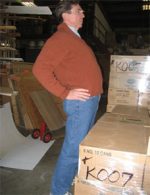
Size up the load or object. Check it for stability and weight. If it is too heavy or awkward, get a cart or dolly or ask for help.
Stand as close to the load with your feet spread apart about shoulder width, with one foot slightly in front of the other for balance.
Squat down, bending at the knees and not the waist. Keep your head up as if looking straight ahead while keeping your back in its natural curved position at all times.
Get a firm grasp on the object before beginning the lift.
Tighten your abdominal muscles. Lift slowly and avoid sudden, forceful motions. Don’t twist your upper body while lifting.
Keep the object close to your body while you slowly walk to your destination.
Move your feet to change directions. Don’t twist. Twisting creates dangerous shear.
To place the load or object, bend your knees and lower it slowly, keeping your back in its natural curved position.
More Lifting Tips
Lighten the load when possible and make additional trips.
Before moving your load, check the pathway to make sure it is free of obstacles or other hazards that could cause a slip, trip, and fall.
Take smaller steps than normal to provide better balance and greater stability.
Avoid reaching while picking up or placing down a load.
Place objects and loads up off the floor. Heavier objects should be placed at waist level, lighter objects on lower and higher levels.
Manage Your Back
It is important to know your body’s limitations, and it is important to be aware of your body position at all times. Learn to recognize those situations where your back is most at risk: bending, lifting, reaching, and twisting. The following should help minimize the risk of back injury:
Stretch before lifting. Gentle stretching prior to lifting will get your muscles warmed up and ready to go.
Slow it down. If you are doing a lot of moderately heavy, repetitive lifting, take it as slowly as is practicable. Allow your muscles some rest and recovery time between lifts. Don’t overdo it.
Rest your back. Take frequent breaks and again, do some gentle stretching.
Avoid awkward posture and positions. These put stress and strain on muscles and put you at risk for injury



 It is important to know your body’s limitations, and it is important to be aware of your body position at all times. Learn to recognize those situations where your back is most at risk: bending, lifting, reaching, and twisting. The following should help minimize the risk of back injury: